Bringing a dog into your home can be one of the best decisions your family ever makes — but choosing the wrong dog for young children can quickly turn into stress, chaos, damaged furniture, or even safety concerns.
Some dogs are naturally patient, gentle, affectionate, and tolerant around toddlers and small kids. Others may be too energetic, too anxious, too fragile, or simply not suited for the nonstop unpredictability of family life.
If you are searching for the best dogs for families with small children, this guide will help you choose a breed that actually fits your real-life lifestyle — not just one that looks cute on social media. At PickFido, we believe families should choose dogs based on compatibility, temperament, energy level, and long-term lifestyle fit — not appearance alone.
What Makes a Dog Good With Small Children?
Not every "family dog" is actually ideal for toddlers. The best dog breeds for families with young children usually share several important traits:
- Gentle temperament
- Patience with noise and movement
- Low aggression
- High trainability
- Affectionate personality
- Moderate energy levels
- Tolerance for handling and accidents
- Strong bonding instincts
According to the American Kennel Club, temperament and proper socialization matter just as much as breed selection.
1. Labrador Retriever — The Classic Family Dog
The Labrador Retriever consistently ranks as one of the best dogs for families with children for good reason. Labs are friendly, loyal, extremely trainable, patient with kids, social with guests, and playful without being overly aggressive.
They tend to form strong bonds with children and are usually very forgiving of accidental rough handling from younger kids.
Potential Downsides
Labs need daily exercise, attention, and mental stimulation. A bored Lab can become destructive.
Best For
- Active families
- Larger homes
- Families wanting a long-term companion
2. Golden Retriever — Gentle and Affectionate
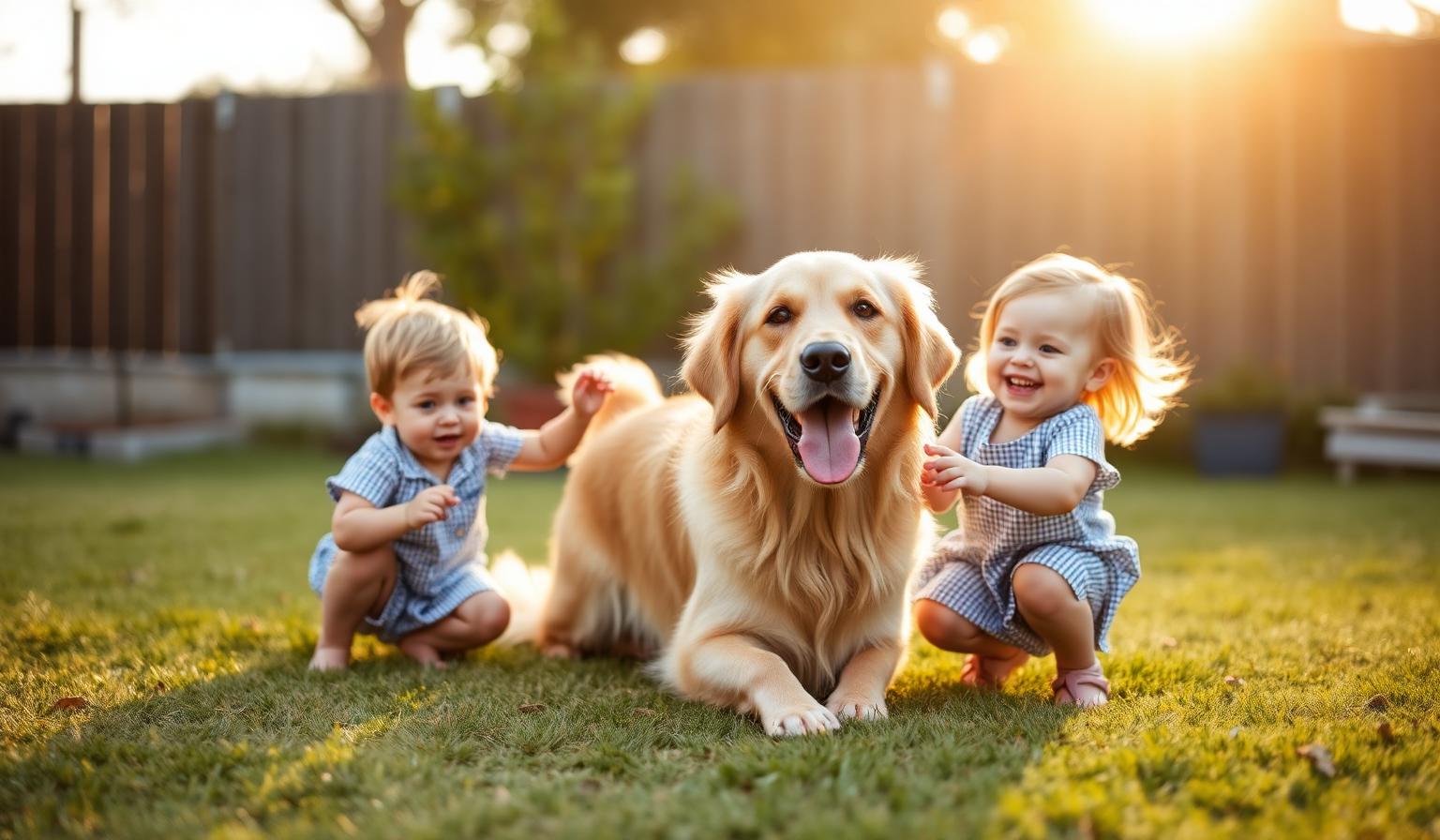
The Golden Retriever may be one of the safest overall choices for families with toddlers and younger children. Goldens are known for calm personalities, emotional intelligence, gentleness, affection, and high tolerance levels.
They are incredibly people-oriented and generally thrive in family environments. Easy to train, great with visitors, highly affectionate, and excellent emotional support dogs.
Potential Downsides
They shed heavily and require grooming, exercise, and human interaction.
3. Cavalier King Charles Spaniel — Excellent for Smaller Homes
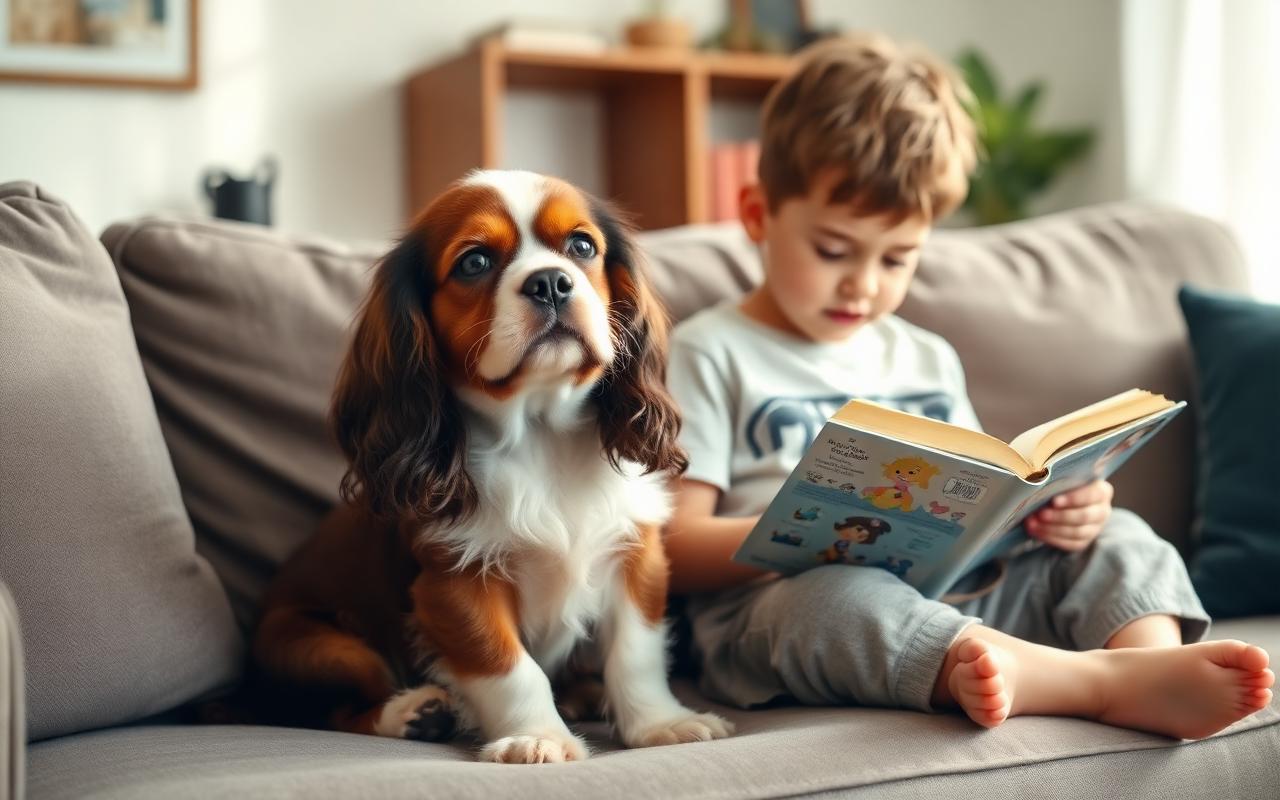
If you live in an apartment or smaller house, the Cavalier King Charles Spaniel is one of the best small dogs for families with children. These dogs are calm, loving, small but sturdy, easygoing, and adaptable. Unlike many tiny breeds, Cavaliers are usually very tolerant of children.
Best For
- Apartments
- First-time dog owners
- Families wanting a calmer dog
4. Bernese Mountain Dog — The Gentle Giant
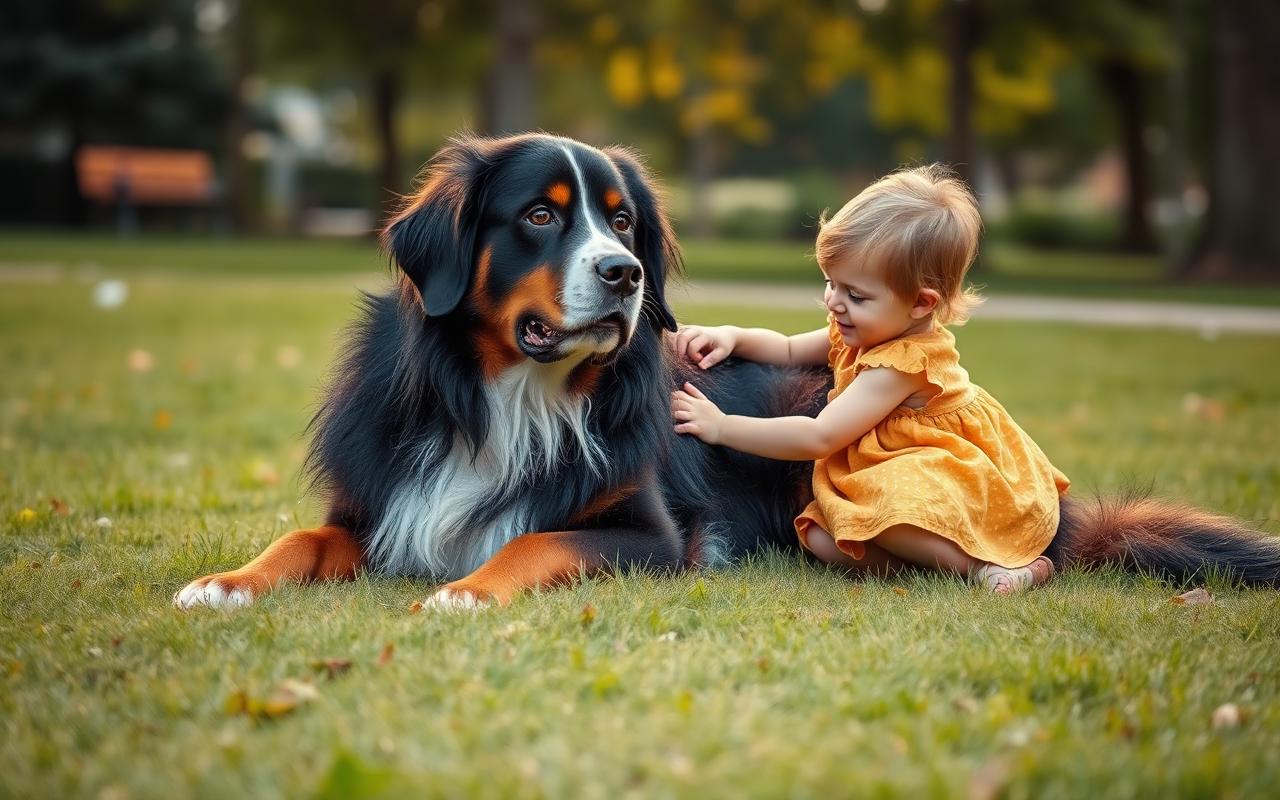
The Bernese Mountain Dog is famous for being affectionate and gentle with children. Despite their large size, many Bernese dogs are calm, protective, sweet-natured, and patient — they often behave like oversized teddy bears with kids.
Potential Downsides
They shed heavily, need space, and have shorter lifespans than smaller breeds.
5. Standard Poodle — Smart, Loyal, and Family Friendly
The Standard Poodle is one of the most underrated family dogs. Standard Poodles are extremely intelligent, highly trainable, low shedding, and energetic but manageable. They are often excellent for families dealing with allergies because they produce less dander than many breeds.
Best For
- Families with allergies
- Families wanting a highly trainable dog
- Homes with active children
6. Beagle — Fun and Kid Friendly
The Beagle remains one of the most popular dogs for families because they are social, curious, friendly, compact, and playful. Beagles usually enjoy being around children and thrive in active households.
Potential Downsides
They can be loud, stubborn, and strong-willed. Training consistency is important.
Dog Breeds Families Should Think Carefully About
Some breeds are amazing dogs — but may not be ideal for families with very small children. These often include extremely high-energy working dogs, fragile toy breeds, highly protective breeds, and dogs requiring advanced handling. Examples include the Belgian Malinois, Chow Chow, Siberian Husky, some toy breeds, and working-line protection dogs.
This does not mean these are "bad dogs." It simply means they may not match the average family lifestyle. At PickFido, we strongly believe people should choose dogs based on compatibility — not trends or appearance.
The Biggest Mistake Families Make When Choosing a Dog
One of the most common mistakes families make is choosing a dog because it looks cute, is trending online, a celebrity owns one, the puppy looks calm, or the breed is popular on TikTok. But puppies grow up.
Many families underestimate exercise needs, training requirements, grooming costs, behavioral challenges, shedding, and separation anxiety. That is why lifestyle matching matters so much — and why choosing a dog based on looks is the #1 mistake new owners make.
How to Choose the Right Family Dog
Before choosing a breed, ask yourself:
- Do you have a fenced yard?
- Time for daily walks?
- Small children under age 5?
- Other pets?
- Allergies?
- Long work hours?
- Experience training dogs?
The answers matter more than appearance.
Take the PickFido Dog Match Quiz
Still unsure which dog breed fits your family best? PickFido's free quiz helps families find dogs based on energy level, home size, personality, lifestyle, schedule, experience level, and family structure. Instead of choosing based on looks alone, PickFido helps you discover which breeds are most compatible with your real life.
Final Thoughts: The Best Family Dog Is the One That Fits Your Lifestyle
The truth is there is no single "perfect" family dog. The best dog for your family depends on your activity level, your home, your schedule, your patience, your children's ages, and your experience level.
A properly matched dog can become a best friend, a protector, a source of emotional comfort, and a lifelong family memory. But the wrong match can create years of frustration. That is why choosing carefully matters.